

Revamping your dental website can breathe new life into your practice while ensuring you retain your valuable Google rankings during the process.
Understanding the Importance of Website Design in Dentistry
In today's digital age, your website is often the first point of contact for potential patients. A visually appealing and user-friendly site not only attracts visitors but converts them into loyal clients. A well-designed website reflects professionalism, builds trust, and communicates the quality of care patients can expect. Platforms like First Stop Dental, a dedicated dental website builder, are designed to deliver exactly these benefits for modern practices.
Beyond aesthetics, a strong dental website integrates functionality, accessibility, and informative content. Features like intuitive navigation, fast loading speeds, and high-quality visuals keep users engaged. Clear layouts that highlight services, testimonials, and contact information improve user experience and help visitors quickly find what they need. First Stop Dental offers these essential features, making it easier for dental practices to create effective, patient-focused websites without technical complexity.
A polished website also strengthens your credibility. In a competitive market, patients are more likely to choose a practice that appears modern, reliable, and professional online. Investing in good design is therefore a strategic move, not just a visual upgrade, and solutions like First Stop Dental help practices achieve this with ease.

Modern dental website design showcasing user-friendly layout and patient booking features
Key Factors to Consider Before Redesigning
- Evaluate your current website to understand what's working and what needs improvement
- Identify strengths and weaknesses in user experience, navigation, content, and functionality
- Gather feedback from patients and staff to gain valuable insights
- Understand your target audience, including their preferences, demographics, and needs
- Tailor your website design to create a more personalized and engaging experience
- Focus on improving user engagement and increasing conversions
- Maintain a strong and consistent brand identity throughout the redesign
- Use consistent colors, fonts, and messaging to build trust and recognition
- Ensure your website aligns with your overall marketing strategy for a seamless brand experience
How Website Redesign Affects SEO
A redesign can significantly impact your SEO; either boosting rankings or causing losses if handled poorly. One major risk comes from changes in website structure and URLs. If URLs are altered without proper redirects, search engines may lose track of your pages, leading to ranking drops.
Content changes also affect SEO. While updating content is important, you must preserve high-performing keywords and optimize new content accordingly. Consistency in meta tags, headings, and keyword usage is critical.
Conducting an SEO Audit Before Redesign
Before redesigning, perform a comprehensive SEO audit. This helps you understand current performance and set a benchmark. Analyze which pages drive the most traffic and rankings. Review on-page SEO elements like title tags, meta descriptions, headers, and image alt text. Update outdated or weak content while preserving valuable keywords.
Technical SEO is equally important. Check site speed, mobile-friendliness, and crawlability. Also review your backlink profile, identify strong links to preserve and remove harmful ones. A thorough audit reduces the risk of losing rankings during the transition.
Best Practices for Maintaining SEO
A clear migration plan is essential. This should include setting up 301 redirects, updating sitemaps, and monitoring performance after launch. 301 redirects are crucial: they tell search engines that a page has moved permanently, transferring ranking value to the new URL. Map all old URLs to their new versions carefully to avoid broken links. Maintain keyword optimization throughout the redesign. Ensure your updated content still targets the terms that drive traffic, while incorporating new keyword opportunities where relevant.
The Role of Mobile Responsiveness
Mobile responsiveness is critical. With most users browsing on mobile devices, your site must adapt to different screen sizes seamlessly. A mobile-friendly design improves user experience, increases engagement, and reduces bounce rates. It also directly affects SEO, as search engines prioritize mobile-optimized websites.
First Stop Dental takes this a step further by ensuring that every website is fully mobile responsive right out of the box. From click-to-call buttons and easy appointment booking to fast-loading pages and clean layouts, everything is designed to work smoothly on any device. This not only enhances the patient experience but also gives your practice a competitive edge by keeping you visible and accessible wherever your audience is browsing.
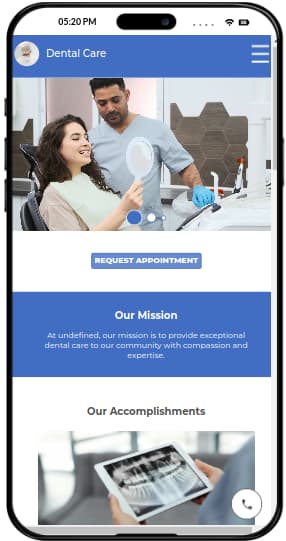
Mobile Preview
Optimizing Content During Redesign
Content optimization remains a core part of SEO. Update your content with relevant keywords while ensuring it provides real value to users. Focus on clarity, structure, and readability. Use headings and organized layouts to make information easy to scan. High-quality, engaging content improves user experience and boosts rankings. Don't overlook meta tags. Each page should have a unique, keyword-optimized title and description to improve visibility and click-through rates.
Testing and Monitoring Post-Redesign
After launching your redesigned site, thorough testing is essential. Check for broken links, missing pages, and formatting issues. Monitor site speed and fix performance issues using tools like PageSpeed Insights. Faster loading times improve both user experience and SEO. Track keyword rankings, traffic, and backlinks to identify any changes. Continuous monitoring allows you to quickly address issues and maintain performance.
Conclusion
Redesigning your dental website can transform your online presence—but it must be done carefully to protect your SEO. By auditing your current site, planning your migration, preserving key elements, and optimizing content, you can maintain and even improve your rankings. With the right strategy, your new website will not only look better but also perform stronger, helping you attract and retain more patients over the long term.
With the right strategy and the right platform like First Stop Dental you don't have to worry about the technical side holding you back. First Stop Dental simplifies the entire process by combining modern design, built-in SEO best practices, and mobile responsiveness in one solution. This means your new website won't just look better—it will perform stronger, helping you attract more patients, stay visible on Google, and grow your practice with confidence.
Ready to grow faster?
Use First Stop Dental to get expert dental SEO, a high-converting website, and all-in-one solutions designed specifically for dental clinics.